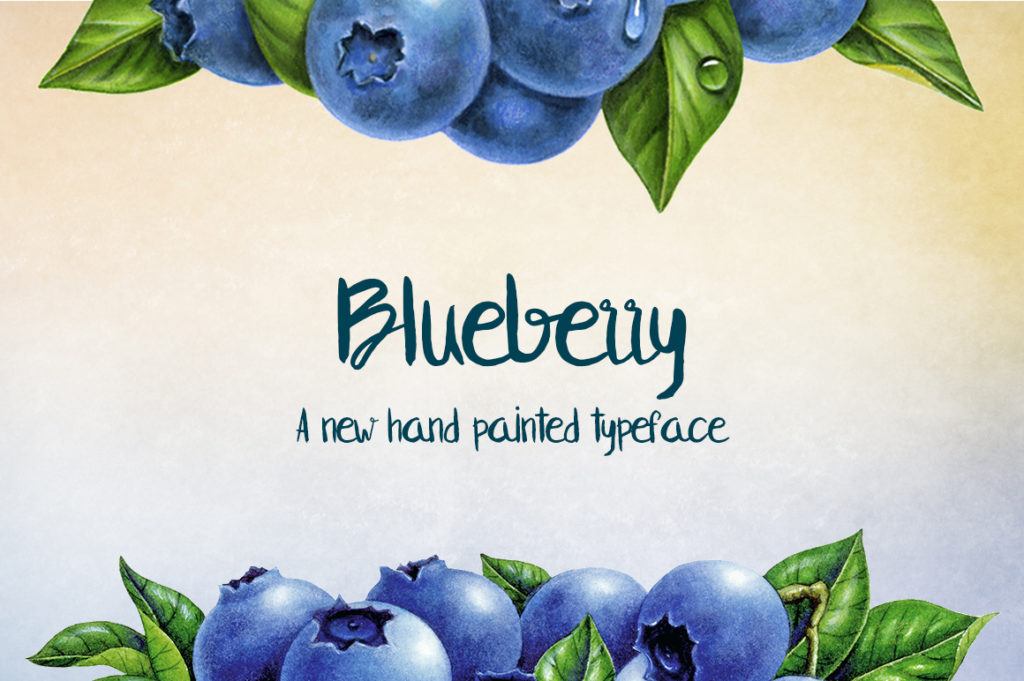
The Blueberry Font: Where Hand-Painted Authenticity Meets Modern Design
Typography has always been a silent partner in communication. It shapes perception, sets tone, and influences how a message lands. In recent years, a distinct shift has emerged: audiences are craving authenticity. The polished, uniform, and often sterile fonts that once dominated branding and content creation are giving way to something warmer, more human. Enter Blueberry, a delicate hand-painted font that captures the nuance of real brush on paper. This is not merely a typeface; it is a response to a broader cultural and creative movement that values craftsmanship, individuality, and emotional resonance.
For professionals, creators, entrepreneurs, marketers, freelancers, and enthusiasts alike, understanding why a font like Blueberry matters goes beyond aesthetics. It speaks to how we connect with audiences, how we differentiate in crowded markets, and how we communicate values without saying a word. This article explores what makes Blueberry distinctive, why it is gaining attention across industries, and how it fits into the evolving expectations of modern design and brand communication.
What Is Blueberry? A Font Born from Physical Craft
At its core, Blueberry is a hand-painted font that begins its life not on a screen, but on paper. Every letter has been physically painted by hand, scanned, digitized, and then meticulously optimized. This process was repeated for each character multiple times until the perfect composition was achieved. The result is a typeface that balances the organic irregularities of human touch with the clarity and consistency required for digital use.
What sets Blueberry apart from the vast library of available fonts is its origin story. Most handwritten fonts are created entirely in digital environments, using styluses or vector tools to simulate handwriting. Blueberry, however, retains the authentic texture, slight variations in stroke weight, and subtle imperfections that come from real paint applied to real paper. These nuances are not flaws; they are features. They give the font a warmth and approachability that purely digital creations struggle to replicate.
The digitization process was not simply a matter of scanning and converting. Each letterform was carefully refined to ensure legibility across sizes and contexts while preserving the handcrafted character. This attention to detail means that Blueberry works beautifully at large display sizes, where the texture and brushstrokes are visible, and at smaller sizes where clarity is essential. It is a font that honors both the artist's hand and the end user's need for functional, reliable typography.
The Broader Shift: Why Handmade Aesthetics Matter Now More Than Ever
The rising popularity of handcrafted fonts like Blueberry is not an isolated trend. It reflects a deeper cultural and market shift toward authenticity, imperfection, and human connection. In an era saturated with AI-generated content, cookie-cutter templates, and mass-produced visuals, audiences have become adept at detecting what feels generic. They respond more favorably to brands and creators who show evidence of human effort, care, and personality.
This shift is especially pronounced in industries that rely on emotional resonance. Wedding planning, baby showers, nursery decor, and personal branding all benefit from typography that conveys warmth, intimacy, and individuality. A couple choosing invitations for their wedding is not just conveying logistical details; they are setting the emotional tone for one of the most important days of their lives. A font that looks like it was lovingly painted by hand communicates care in a way that a standard sans-serif cannot.
Similarly, small business owners and freelancers are increasingly using typography as a differentiator. When competing against larger, more resourced companies, the ability to project personality and authenticity becomes a strategic advantage. Blueberry allows these professionals to infuse their materials—business cards, letterheads, signage, social media graphics—with a distinctive voice that feels personal and intentional.
Marketers, too, are paying attention. The visual landscape of social media, email campaigns, and website design has become homogenized. Standing out requires taking calculated risks with design elements that evoke emotion. Blueberry, with its hand-painted origins, offers a way to break through the noise without sacrificing professionalism. It is a tool for storytelling, not just decoration.
Practical Applications: Where Blueberry Excels in Real-World Projects
Blueberry's design makes it exceptionally versatile for a range of creative and commercial applications. While any font can be used in many ways, certain contexts naturally amplify its strengths. Here are some of the most impactful uses, along with observations on why they work so well.
Wedding Invitations and Stationery
Wedding invitations are perhaps the most obvious and powerful application for Blueberry. The hand-painted quality evokes the personal touch of a handwritten note, yet the consistency and legibility ensure that all essential details—dates, venues, registry information—are communicated clearly. Couples who want their invitations to feel bespoke without commissioning a custom calligrapher find Blueberry to be an elegant, cost-effective solution. It works equally well for save-the-dates, ceremony programs, thank-you cards, and even signage at the reception.
Baby Shower Decorations and Nursery Wall Art
Celebrations of new life call for typography that feels gentle, joyful, and personal. Blueberry's delicate strokes and balanced proportions make it ideal for baby shower banners, invitations, and favors. In nurseries, wall art featuring names, quotes, or milestones takes on a heirloom quality when rendered in this font. Parents and gift-givers alike appreciate the way it adds a handmade feel to spaces that are meant to be nurturing and warm.
Signage and Quote Displays
Whether for a café, a boutique, a home office, or a special event, signage sets the tone before anyone reads a single word. Blueberry excels in this context because it commands attention without shouting. It feels inviting rather than imposing. For quote displays—printed, framed, or shared digitally—the font adds emotional weight to the words. A motivational quote in Blueberry feels more personal than the same words in a standard typeface.
Adding Quotes to Pictures
Social media content creators and influencers frequently overlay text on images. Blueberry is particularly effective for this purpose because its hand-painted texture stands out against photographic backgrounds without competing for attention. It adds a layer of artisanal quality to posts, stories, and pins. The font's legibility at various sizes ensures that quotes remain readable on mobile screens, which is critical for engagement.
Embroidery and Physical Products
One of the more distinctive applications for Blueberry is as an embroidery font. Because the letterforms have been optimized from hand-painted originals, they translate well into thread. This opens up possibilities for personalized apparel, home linens, tote bags, and gifts. Entrepreneurs who create custom merchandise can use Blueberry to offer designs that feel handmade in the truest sense. The font's balanced structure ensures that embroidered text remains legible and attractive, even on fabrics with texture.
Business Cards and Letterheads
Professionals and small business owners often struggle to balance approachability with credibility. A business card set in Blueberry communicates that the person behind the card values craftsmanship and personal connection. It works especially well for creative fields—designers, photographers, event planners, artists, wellness practitioners—but can also be used effectively by anyone whose brand identity benefits from warmth. Letterheads, envelopes, and even digital proposals gain a distinctive character that standard corporate fonts simply cannot provide.
Why Creators and Professionals Are Paying Attention
The growing interest in Blueberry is not just about its aesthetic appeal; it is about what the font represents in a broader context. Creators and professionals are increasingly aware that differentiation requires more than a logo or a color palette. Typography is one of the most immediate and subtle ways to communicate brand personality. A font like Blueberry signals that the creator values tradition, patience, and the human touch—qualities that resonate deeply with discerning audiences.
Entrepreneurs, in particular, face the challenge of building trust with limited resources. Every design choice matters. Using a font that looks generic or widely overused can undercut the perception of quality. Blueberry offers a way to look polished while still feeling personal. It suggests that care was taken, that details matter, and that the brand behind the font is willing to invest in its presentation.
Freelancers and independent professionals also benefit from Blueberry's versatility. Whether designing their own website, creating client proposals, or building a social media presence, having a distinctive typographic voice helps them stand out in a crowded ecosystem. Blueberry is memorable without being gimmicky, which is a delicate balance that many fonts fail to achieve.
Enthusiasts—those who create for personal satisfaction or side projects—find Blueberry equally valuable. It elevates DIY projects, gifts, and personal branding efforts by adding a layer of polish that looks professional but feels personal. For anyone who wants their work to be taken seriously while still expressing individuality, Blueberry offers a path.
Changing Workflows and Expectations in Design
The relevance of Blueberry also reflects broader changes in how design work is sourced and executed. With the rise of accessible design tools like Canva, Procreate, and Adobe Express, more people than ever are creating their own visuals. This democratization of design means that typography choices are no longer the exclusive domain of trained graphic designers. Small business owners, marketers, and hobbyists are making typographic decisions daily, and they need fonts that are forgiving, versatile, and expressive.
Blueberry meets this need by being both distinctive and easy to use. Its balanced proportions mean that even users with limited design experience can create attractive layouts. The font pairs well with cleaner, more neutral typefaces for contrast, allowing users to build hierarchy and visual interest without requiring advanced design skills. This lowers the barrier to professional-quality output, which is especially valuable for entrepreneurs and freelancers who cannot afford dedicated design staff.
At the same time, professional designers are incorporating Blueberry into their workflows because it offers something that standard type libraries often lack: authentic texture. In a design landscape where tactile, organic elements are increasingly sought after, having a font that brings real paper texture and brush variation into the digital realm is a significant advantage. It allows designers to create work that feels layered and rich without resorting to artificial effects or filters.
Looking Ahead: Blueberry in the Context of Evolving Consumer Expectations
Consumer expectations around brand communication have shifted dramatically. The days of polished, corporate uniformity being synonymous with professionalism are fading. Modern audiences, particularly younger demographics, expect brands to show personality, transparency, and evidence of human involvement. Typography is a frontline tool for meeting these expectations. Fonts like Blueberry, with their obvious handcrafted origins, signal that a brand is willing to be vulnerable—to show the human hand behind the product or service.
This is especially relevant for industries centered around life milestones: weddings, births, celebrations, and personal milestones. These moments are inherently emotional, and consumers want their communications about them to feel personal, not transactional. Blueberry helps bridge that gap by providing a typographic voice that feels like it was made just for them.
Furthermore, as sustainability and slow design movements gain traction, there is a growing appreciation for processes that take time and care. The painstaking method behind Blueberry—painting each letter multiple times, selecting the best versions, digitizing with precision—mirrors the values of craftsmanship and patience that resonate with conscious consumers. Choosing a font with this origin story is, in itself, a subtle statement of values.
Conclusion: More Than a Font, a Design Philosophy
Blueberry is not simply a tool for making text look attractive. It is a reflection of a larger movement toward authenticity, craftsmanship, and human connection in design. For professionals, creators, entrepreneurs, marketers, freelancers, and enthusiasts, it offers a way to communicate with warmth and distinction in a world that often feels impersonal and automated.
Whether used for wedding invitations, baby shower decorations, nursery wall art, signage, quote overlays, embroidery, or business stationery, Blueberry brings a handcrafted quality that elevates any project. Its balanced, clear letterforms ensure that it is as functional as it is beautiful, making it accessible to users of all skill levels and appropriate for a wide range of contexts.
As consumer expectations continue to evolve toward the authentic and the personal, fonts like Blueberry will only grow in relevance. They represent not just a stylistic choice, but a strategic one. In a digital world, the hand-painted touch stands out. And in a market flooded with generic options, authenticity is the ultimate differentiator.